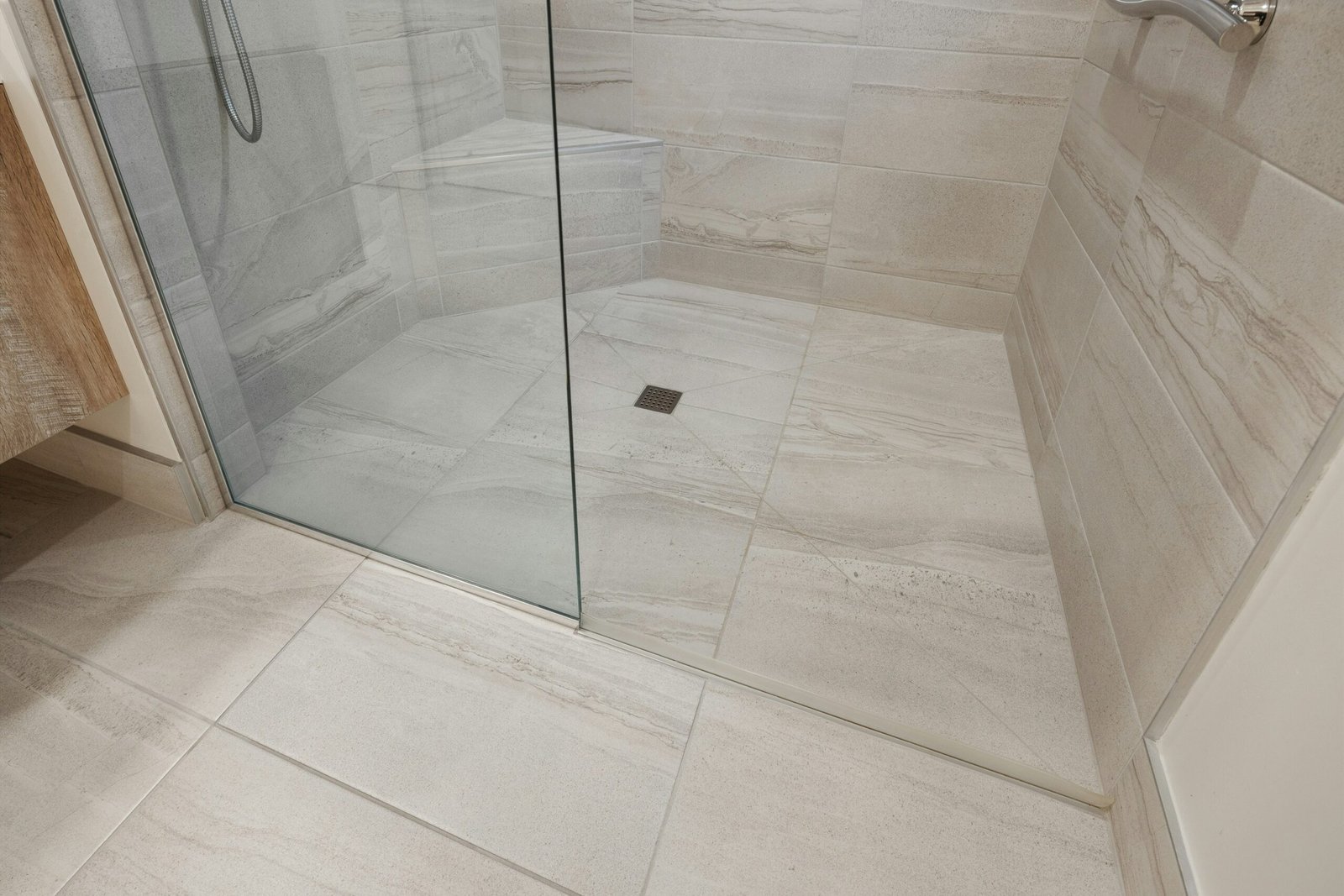
How to Unclog a Shower Drain
Meta description: Learn how to unclog a shower drain using simple DIY methods like a zip-it tool, plunger, or drain snake. Most shower clogs can be cleared in under 30 minutes.
Reading time: 5 minutes
Skill level: Beginner
Cost: $3 to $25
A slow or completely blocked shower drain is usually caused by a buildup of hair, soap scum, skin oils, and product residue inside the drain pipe. Fortunately, most shower drain clogs sit close to the drain opening and can be cleared without calling a plumber.
In many cases, removing the drain cover and pulling out the trapped hair solves the problem in less than 15 minutes.
Quick answer
Most shower drain clogs are caused by hair and soap buildup just below the drain cover.
To unclog a shower drain:
- Remove the drain cover.
- Pull out visible hair and debris.
- Use a zip-it tool to remove deeper buildup.
- Try a plunger if the blockage remains.
- Use a manual drain snake for stubborn clogs.
Avoid chemical drain cleaners whenever possible. They rarely remove the entire clog and may damage rubber seals and some plumbing components over time.
Project summary
| Item | Details |
|---|---|
| Time required | 10 to 30 minutes |
| Skill level | Beginner |
| Estimated cost | $3 to $25 |
| Tools needed | Gloves, screwdriver, zip-it tool, plunger |
| Optional tools | Manual drain snake |
| Typical clog causes | Hair, soap scum, product residue |
What you will need
- Zip-it drain cleaning tool ($3 to $5)
- Wire coat hanger with a small hook (alternative)
- Cup plunger
- Manual drain snake ($15 to $25) for deeper clogs
- Rubber gloves
- Flashlight or phone light
- Baking soda and white vinegar (optional)
Step 1: Remove the drain cover and inspect the clog
Most shower drain covers either lift out or are secured with one or two screws. Remove the cover and shine a light into the drain.
In many cases, you will see a visible clump of hair sitting a few inches below the opening.
Put on gloves and remove as much debris as possible by hand or with needle-nose pliers.
Run some water afterward to see if drainage improves.
Step 2: Use a zip-it tool
A zip-it tool is one of the simplest and most effective tools for clearing shower drains. Insert it slowly into the drain until it reaches resistance. Rotate slightly, then pull upward.
The barbs grab hair and soap buildup and pull it out of the pipe. Repeat several times until little or no debris comes out.
If you do not have a zip-it tool, a straightened wire coat hanger with a small hook can work as an alternative.
Why this works: Most shower drain blockages occur within the first few feet of the drain, making a zip-it tool extremely effective for DIY repairs.
Step 3: Flush away soap buildup
If the drain is slow rather than completely blocked, soap residue may be coating the inside of the pipe.
Pour:
- 1 cup of baking soda into the drain
- Follow immediately with 1 cup of white vinegar
Cover the drain with a cloth or stopper and allow the mixture to fizz for about 15 minutes.
Flush afterward using the hottest tap water available.
Important: This method helps loosen soap scum and light buildup but will not remove a solid hair clog.
Step 4: Use a plunger
If the drain remains clogged, try plunging.
- Fill the shower tray or tub with enough water to cover the plunger cup.
- Place the plunger firmly over the drain and pump steadily 10 to 15 times.
- Pull upward sharply on the final stroke.
- Run water again to test drainage.
Step 5: Use a manual drain snake
If plunging does not work, the clog is likely deeper in the pipe.
Feed the drain snake into the opening while rotating the handle clockwise. When resistance increases, continue turning to hook or break through the blockage.
Withdraw the cable slowly and remove any debris.
Most residential shower clogs are found within 10 to 15 feet of the drain opening, making a 25-foot hand snake suitable for nearly all household situations.
Why you should avoid chemical drain cleaners
Chemical drain cleaners may dissolve part of a clog, but they rarely remove the entire blockage.
Repeated use can also:
- Damage rubber seals and gaskets
- Create hazardous fumes
- Make future plumbing repairs unpleasant
- Cause splashing hazards if the chemicals remain in standing water
Professional plumbers usually recommend physical removal methods first.
How to prevent future shower drain clogs
Installing a hair catcher is one of the easiest ways to prevent recurring blockages.
A drain hair catcher costs around $5 to $10 and can significantly reduce the amount of hair entering the drain.
For maintenance:
- Empty the hair catcher weekly.
- Clean the drain every 1 to 3 months with a zip-it tool.
- Flush with baking soda and vinegar monthly.
Repair Costs
| Method | Typical Cost |
|---|---|
| Zip-it tool | $3 to $5 |
| Baking soda and vinegar | Under $2 |
| Plunger (if you do not have one) | $8 to $20 |
| Manual drain snake | $15 to $25 |
| Professional drain clearing | $100 to $250 |
When to call a plumber
Call a professional if:
- Multiple drains are slow at the same time.
- A 25-foot snake cannot clear the blockage.
- You hear gurgling from nearby fixtures.
- The shower repeatedly clogs within a few months.
- Sewage backs up into the shower.
Multiple slow drains often indicate a blockage in the main sewer line rather than the shower drain itself.
Frequently asked questions
1. Is boiling water safe for shower drains?
Not always. Boiling water may soften or damage some PVC pipe joints over time. Hot tap water is generally safer for modern plumbing systems.
2. Why does my shower drain smell even after unclogging it?
The P-trap may be dry or still contain organic buildup. Run water for 30 seconds to refill the trap. If odours remain, the issue may be bacterial buildup or a venting problem.
3. How often should I clean a shower drain?
For most households:
- Monthly: baking soda and vinegar flush
- Every 2 to 3 months: zip-it cleaning
- Every 6 months: deep inspection and cleaning
Homes with long hair or multiple occupants may require more frequent maintenance.
4. Do chemical drain cleaners work on hair?
Partially. They may break down some hair, but usually do not remove the entire blockage. Physical removal with a zip-it tool or drain snake is generally faster and more effective.
Related articles
- How to clean a P-trap
- Why does my drain smell like sewage?
- How to unclog a kitchen sink
- The complete guide to home plumbing repairs
Sources
- EPA WaterSense: Statistics and facts – household plumbing maintenance information
- American Society of Plumbing Engineers (ASPE) – residential drain guidance
- Plumbing-Heating-Cooling Contractors Association (PHCC) – drain maintenance and clearing recommendations